
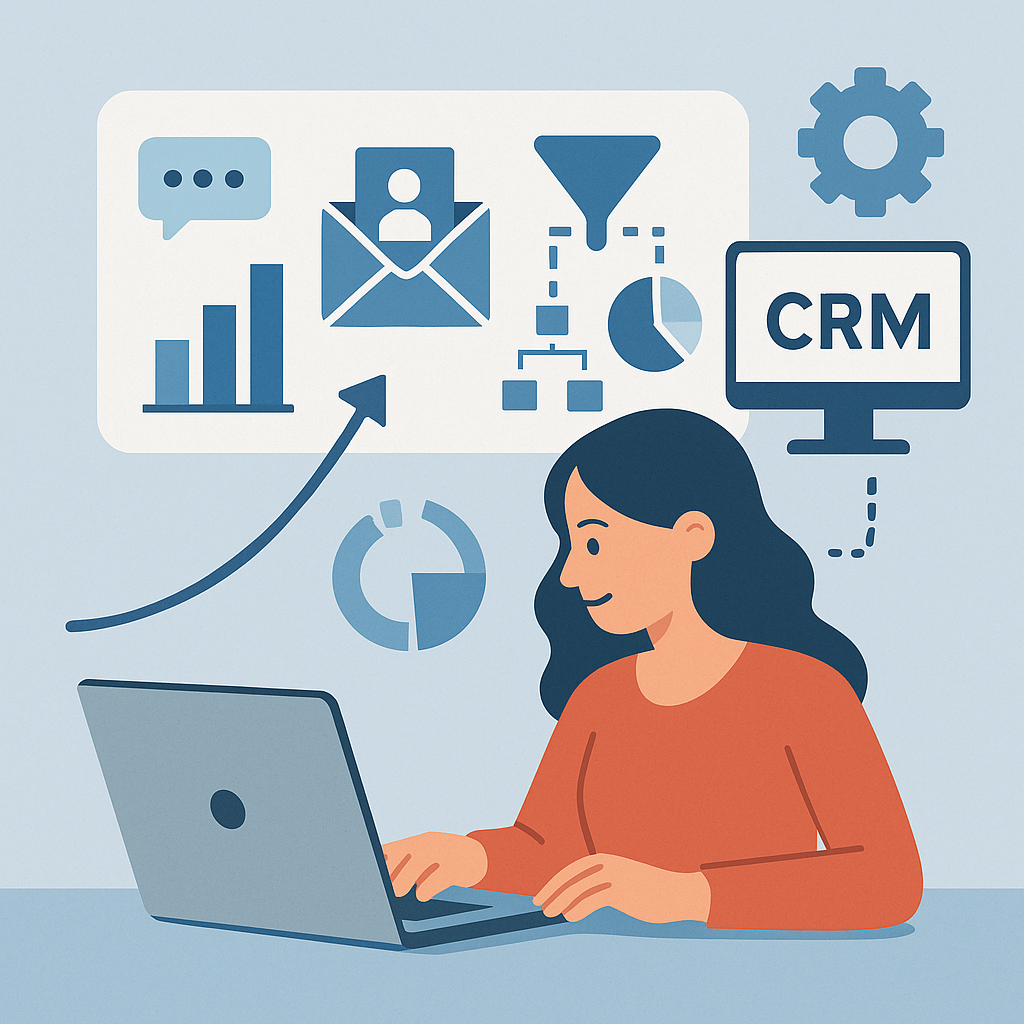
In today’s highly competitive digital era, lead generation has become the lifeblood of every business. Without a steady flow of qualified leads, even the most well-designed marketing campaigns or products will struggle to grow. Whether you run a small startup or a multinational enterprise, generating leads is the key to sustainable success.
However, in 2025, lead generation is no longer just about collecting email addresses or phone numbers. It’s about using smart tools, automation, and data-driven strategies to attract, engage, and convert high-quality leads efficiently.
In this detailed guide, we’ll explore how businesses can master lead generation using powerful tools, discuss the best software platforms available, and explain practical strategies to help you scale faster.
💡 What Is Lead Generation?
Lead generation is the process of attracting potential customers (leads) and converting them into prospects who express interest in your product or service. Typically, it involves collecting their contact details — such as names, emails, phone numbers, or company information — in exchange for something valuable, like a free eBook, demo, or consultation.
Simply put, lead generation bridges the gap between marketing and sales. It ensures that your sales team doesn’t waste time chasing unqualified contacts. Instead, they can focus on nurturing leads who are most likely to convert into paying customers.
🌐 Importance of Lead Generation for Business
Before diving into tools, let’s understand why lead generation is so crucial for modern businesses.
- Drives Sales Growth – The more qualified leads you generate, the greater your potential to close deals and increase revenue.
- Builds Brand Awareness – Lead campaigns introduce your business to new audiences who may not have heard of your brand.
- Enhances Targeting and Segmentation – It allows you to identify specific customer segments and personalize marketing efforts.
- Improves Conversion Rates – High-quality leads have a greater chance of turning into loyal customers.
- Supports Long-Term Growth – Consistent lead generation creates a reliable pipeline for future business opportunities.
Ultimately, lead generation fuels your sales funnel — from awareness to conversion — ensuring continuous business momentum.
🧭 The Lead Generation Process Explained
Lead generation typically follows a structured process that combines marketing and technology. Here’s how it works step-by-step:
- Attract Visitors – Use digital marketing channels such as social media, SEO, and paid ads to drive traffic to your website or landing pages.
- Engage Prospects – Offer valuable content, interactive tools, or lead magnets (like free trials or webinars) to grab attention.
- Capture Information – Use lead capture forms, pop-ups, or chatbots to collect visitor details.
- Nurture Leads – Send personalized emails, newsletters, or automated workflows to build trust and move leads down the funnel.
- Convert to Sales – Once leads show buying intent, your sales team can engage with them directly.
- Analyze and Optimize – Use analytics tools to track conversion rates and continuously improve your strategy.
Transitioning from one stage to the next requires precision, automation, and effective communication — and this is where lead generation tools become essential.
⚙️ Best Lead Generation Tools for Businesses in 2025
Let’s explore some of the top-performing tools that businesses use today to streamline their lead generation process. Each platform plays a unique role in attracting, nurturing, and converting leads.
🧲 1. HubSpot
Best for: All-in-one inbound marketing and CRM management
HubSpot remains one of the most comprehensive platforms for lead generation. It offers powerful marketing automation, landing page creation, email marketing, and lead tracking in one unified dashboard.
Key Features:
- Free CRM for contact management
- Lead capture forms and pop-ups
- Email automation and workflows
- Integration with Google Ads and social media
Why Use It:
Because HubSpot automates repetitive tasks while providing deep insights into customer behavior, it helps businesses of all sizes streamline the entire funnel.
💬 2. OptinMonster
Best for: Capturing leads from website visitors
OptinMonster specializes in creating high-converting opt-in forms and pop-ups. Its targeting rules allow you to show campaigns based on user behavior, exit intent, or page scroll.
Key Features:
- Exit-intent pop-ups and floating bars
- A/B testing and personalization
- Integration with major email tools like Mailchimp and ActiveCampaign
Why Use It:
It turns website visitors who are about to leave into engaged subscribers — boosting your conversion rate instantly.
✉️ 3. Mailchimp
Best for: Email marketing and lead nurturing
Mailchimp is a popular tool for capturing and nurturing leads via email. It lets you build beautiful landing pages, automate sequences, and segment audiences based on behavior.
Key Features:
- Ready-to-use email templates
- Behavioral targeting
- Integration with Shopify, WooCommerce, and WordPress
Why Use It:
Because Mailchimp provides all-in-one automation, it’s perfect for businesses looking to nurture relationships without complex coding.
📊 4. LinkedIn Sales Navigator
Best for: B2B lead generation and outreach
LinkedIn Sales Navigator helps businesses identify and engage with decision-makers across industries. It’s ideal for B2B companies targeting professionals and executives.
Key Features:
- Advanced lead filtering and search
- Real-time lead alerts
- CRM integration
Why Use It:
Since LinkedIn is the largest professional network, Sales Navigator gives you direct access to high-value business leads.
🔍 5. Semrush
Best for: SEO-driven lead generation
Semrush helps businesses generate leads organically through SEO and content marketing. You can identify high-intent keywords, analyze competitors, and track traffic sources.
Key Features:
- Keyword and backlink analysis
- Lead generation toolkit
- Competitor monitoring
Why Use It:
If your goal is to attract leads through search engines, Semrush ensures your brand ranks where your customers are looking.
🧠 6. Apollo.io
Best for: Data-driven lead sourcing and email outreach
Apollo.io combines verified contact databases with automation to help businesses discover and connect with qualified leads.
Key Features:
- Database of 270M+ contacts
- AI-powered email sequencing
- CRM and LinkedIn integration
Why Use It:
It’s a one-stop solution for B2B companies seeking accurate, scalable lead lists and automated follow-ups.
📧 7. Brevo (Sendinblue)
Best for: Multi-channel lead communication
Brevo combines email marketing, SMS campaigns, and chat automation — making it perfect for nurturing leads through multiple touchpoints.
Key Features:
- Transactional emails and SMS
- CRM for lead scoring
- Marketing automation workflows
Why Use It:
Because Brevo lets you communicate across channels, it’s excellent for businesses wanting to personalize their follow-ups.
🧩 8. Google Ads + Landing Page Builder (Unbounce or Leadpages)
Best for: Paid lead generation campaigns
Running Google Ads combined with high-converting landing pages remains a proven way to generate quick leads.
Key Features:
- Pay-per-click targeting
- Custom landing page design
- Conversion tracking
Why Use It:
You can instantly reach buyers who are actively searching for your services and convert them using optimized landing pages.
🤖 9. ChatGPT and AI Tools
Best for: Personalized outreach and content automation
AI tools like ChatGPT can assist in crafting personalized email templates, chat responses, and product recommendations that resonate with prospects.
Key Features:
- Automated conversation scripts
- Blog and ad copy generation
- Chatbot integration
Why Use It:
Because AI tools can respond in real time and adapt tone based on audience needs, they enhance engagement and save valuable time.
💼 10. Zoho CRM
Best for: Small and medium businesses needing simple lead management
Zoho CRM simplifies lead tracking, scoring, and sales automation while keeping everything affordable.
Key Features:
- Contact segmentation
- Workflow automation
- Real-time analytics
Why Use It:
It’s perfect for SMBs that want an easy, scalable CRM solution with built-in lead generation tools.
💰 Lead Generation Strategies That Work with Tools
Although tools simplify the process, strategy determines success. To make the most of these platforms, follow these proven lead generation techniques:
1. Use Lead Magnets
Offer something valuable — like free eBooks, templates, or trials — to motivate visitors to share their information. Use tools like HubSpot or Mailchimp to automate delivery instantly.
2. Run Targeted Paid Ads
Google Ads and Meta Ads (Facebook/Instagram) allow precise targeting based on demographics, interests, and intent. Pair your ads with Unbounce landing pages for maximum conversions.
3. Leverage Content Marketing
Publish blog posts, videos, and guides optimized with Semrush keywords. This strategy drives organic traffic and positions your business as an authority.
4. Automate Email Sequences
Use Brevo, ActiveCampaign, or HubSpot to send drip campaigns automatically. Nurture leads until they’re ready to buy without manual intervention.
5. Engage with Live Chat and Chatbots
Adding chat widgets (like Tidio or Drift) on your website helps capture leads instantly. Visitors prefer real-time communication, and chatbots ensure 24/7 availability.
6. Host Webinars or Free Demos
Tools like Zoom or WebinarJam allow businesses to attract interested audiences. Collect registrations and follow up with automated email sequences.
7. Integrate Social Media
Use LinkedIn Sales Navigator and Meta Business Suite to promote gated content. Encourage followers to download, subscribe, or register.
8. Implement Lead Scoring
With CRMs like HubSpot or Zoho, assign scores to leads based on engagement (email opens, clicks, downloads). This helps sales teams focus on high-intent prospects.
9. Retarget Visitors
Many visitors don’t convert on their first visit. Use Google Remarketing or Meta Pixel to remind them of your offer until they take action.
10. Analyze and Optimize Continuously
Every campaign must be tested. Tools like Google Analytics, HubSpot Reports, or Semrush help identify bottlenecks and optimize conversion rates.
📈 Benefits of Using Lead Generation Tools
Using the right technology provides several measurable advantages:
- Automation: Saves time and reduces manual effort.
- Scalability: Easily handle thousands of leads.
- Personalization: Deliver tailored messages to each segment.
- Analytics: Track every click, conversion, and ROI.
- Integration: Combine multiple channels for unified campaigns.
In short, lead generation tools turn your marketing into a data-driven, automated growth engine.
⚠️ Common Lead Generation Mistakes to Avoid
Even with the best tools, businesses often make costly mistakes. Avoid these pitfalls to maximize results:
- Targeting the wrong audience.
- Ignoring lead quality over quantity.
- Using generic or spammy messaging.
- Failing to follow up quickly.
- Not nurturing leads consistently.
Consistency, personalization, and follow-up are essential ingredients for long-term success.
🔮 Future of Lead Generation: AI, Automation, and Predictive Analytics
By 2026, AI and machine learning will revolutionize how businesses generate leads. Predictive algorithms will identify high-converting prospects before they even engage.
Chatbots, voice assistants, and CRM automation will replace manual data entry. Tools like ChatGPT, Salesforce Einstein, and HubSpot AI already analyze behavior patterns to predict buying intent.
Moreover, personalized video emails, hyper-targeted ads, and omnichannel outreach will become standard. Businesses adopting these innovations early will gain a significant competitive edge.
🏁 Conclusion: Turning Tools into Growth Engines
Lead generation is not just about collecting names — it’s about building relationships, automating smartly, and providing real value. The right mix of tools, strategy, and creativity can turn your marketing pipeline into a consistent revenue source.
Platforms like HubSpot, Semrush, Apollo.io, and Mailchimp simplify every step — from attracting leads to closing deals. By using automation, analytics, and AI integration, your business can generate, nurture, and convert leads more efficiently than ever before.
In the end, businesses that embrace technology-driven lead generation today will dominate the market tomorrow.
So, start now — optimize your funnel, automate your outreach, and watch your leads (and profits) grow exponentially.
